How Often Should You Service a Tractor? A Grafton Owner’s Guide to Service Intervals
Engine hours are the unit of measure that matters for tractor servicing — not calendar time. A tractor that sits in a shed for six months and then runs flat-out through harvest needs to be assessed differently to one that does light work year-round. For Grafton farmers and rural property owners, understanding what the manufacturer’s hour intervals actually mean in practice — and where local conditions change the picture — is what turns a service schedule into a tool that actually protects your machine.
This guide answers the question directly: how often does a tractor need a service? For tractor repairs Grafton owners have come to trust, read on for a clear breakdown of service levels, what’s checked at each, and when Grafton’s conditions mean the standard intervals aren’t enough.
The Standard Hour-Based Service Framework
Most tractor manufacturers structure their recommended service intervals around engine hours rather than months or kilometres. While specific intervals vary by brand and model, the general industry framework follows a tiered pattern: a light service every 250 hours, a more thorough service every 500 hours, and a major service at 1,000 hours or annually, whichever comes first.
These intervals assume average operating conditions — moderate load, reasonable dust levels and temperatures within the engine’s design range. They’re a starting point, not a ceiling. The manufacturer’s service manual for your specific model is the authoritative reference for exact intervals and what each level covers. If you don’t have it, your dealer or a qualified mechanic can source it.
What Gets Checked at Each Service Level
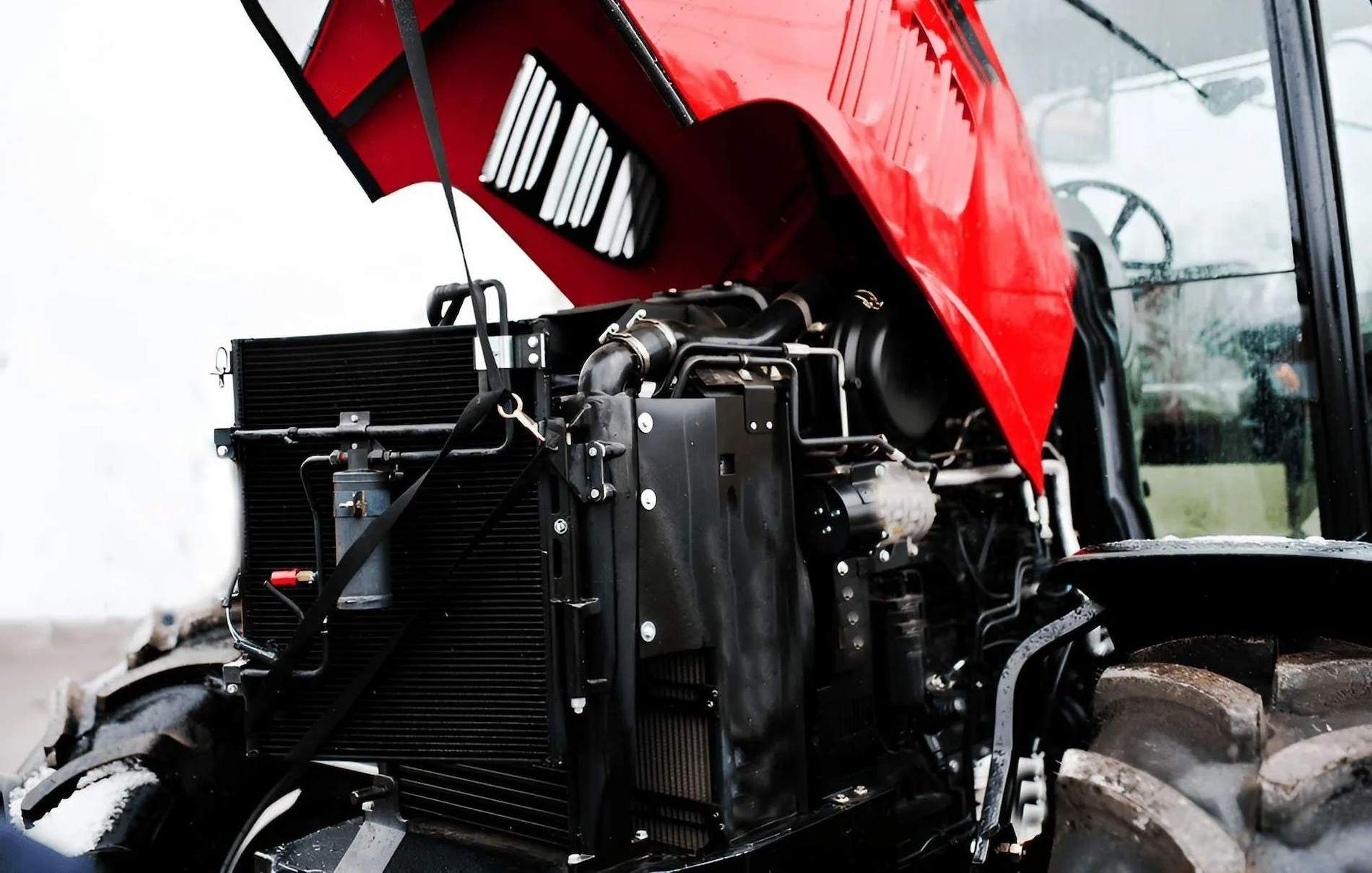
Service intervals are tiered because different components require attention at different points in the engine’s lifecycle. A 250-hour service focuses on the high-wear items that need frequent renewal. A 1,000-hour service goes deeper into the drivetrain, hydraulics and cooling systems.
As a general guide across most utility and agricultural tractors:
- 250-hour service: engine oil and filter change, air filter check and clean or replacement, fuel filter inspection, greasing of all grease points, visual inspection of belts and hoses, tyre pressure and condition
- 500-hour service: all of the above, plus hydraulic filter replacement, transmission oil check, coolant top-up and condition check, battery and electrical connections, brake adjustment check
- 1,000-hour / annual service: all of the above, plus coolant flush and replacement, transmission oil change, final drive oil, differential check, fuel system inspection, thorough undercarriage inspection and any items flagged from previous service records
Why Grafton’s Climate Shortens Real-World Intervals
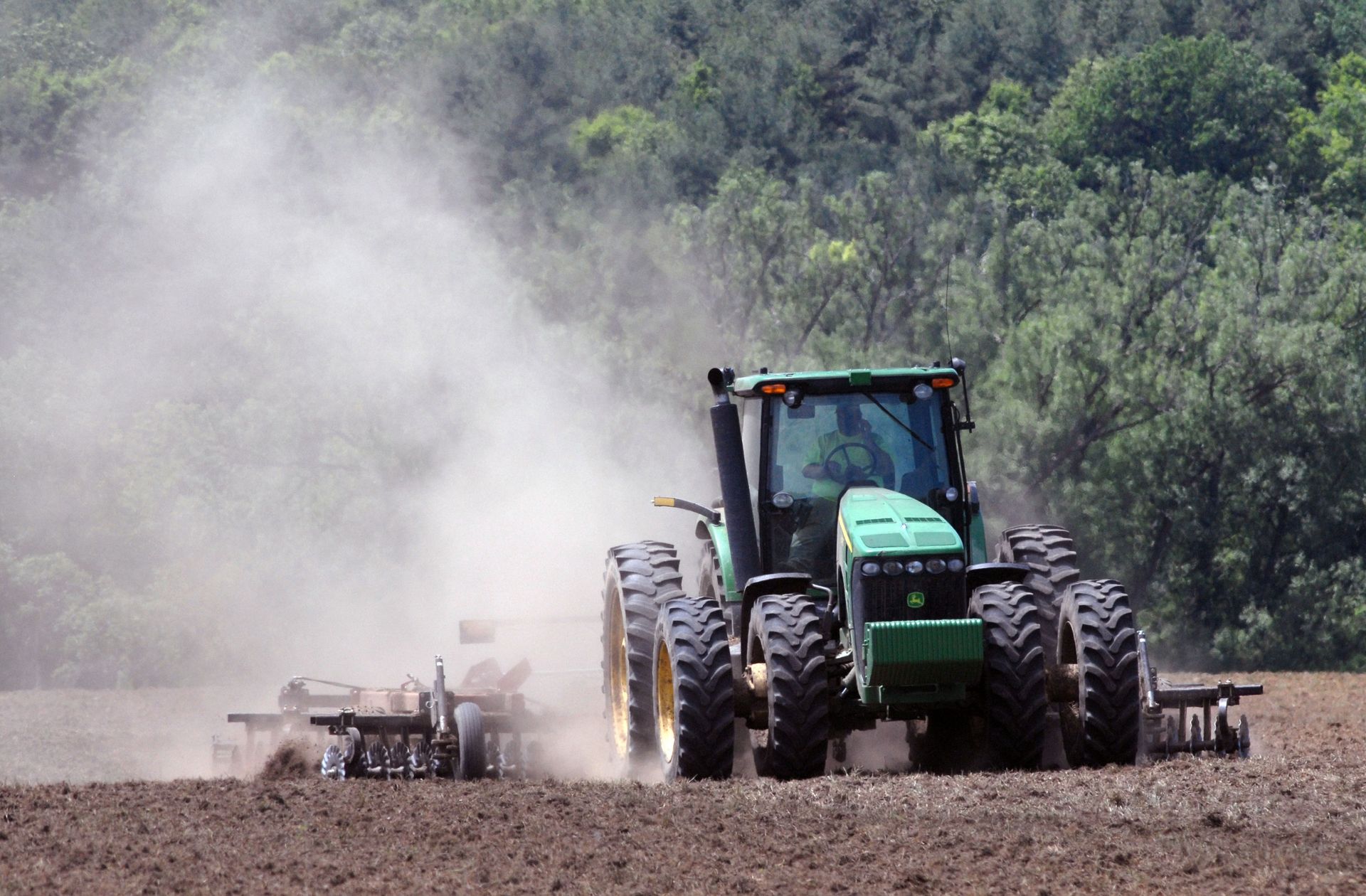
The Clarence Valley’s climate introduces operating stresses that standard service intervals don’t fully account for. Summer temperatures in Grafton regularly reach the high 30s, and tractors working through the hottest part of the day — during cane harvest, orchard work or land clearing — are operating their cooling systems at or near capacity for extended periods. Heat accelerates oil degradation, stresses coolant systems and increases the rate at which air filters load up with dust and debris.
The practical implication is that under heavy summer workloads, the 250-hour oil change interval may be too long. Some operators in similar climates run oil changes at 200 hours or less during peak work periods and return to the standard interval during lighter off-season use. Your tractor’s oil condition is the most direct indicator — if it’s darkening significantly before the 250-hour mark, the interval needs to come forward.
Seasonal Harvest Peaks and Service Timing
Harvest and peak work periods are exactly when a tractor failure is most costly and most disruptive. The relationship between service timing and harvest seasons is one that experienced Grafton machinery operators plan carefully. Servicing a tractor just before a known work peak — rather than mid-peak when it’s most needed — is standard practice for operators who rely on their machines.
Practical considerations for aligning service timing with seasonal work:
- Track engine hours actively, not just from memory — knowing where you are against the next service interval before a busy season starts allows you to schedule the service at a time that doesn’t conflict with peak usage
- If hours will stack up quickly during harvest, consider bringing the service forward rather than running into the peak and hoping the interval holds
- After a particularly heavy period — high dust, sustained heavy load, extended daily hours — an unscheduled oil and filter check is good practice regardless of where you are in the standard interval
Hours vs Calendar Time: Which Takes Priority?
For most tractors, hours are the primary trigger for servicing. But manufacturers typically also recommend an annual service regardless of hours accumulated — because some degradation is time-dependent rather than use-dependent. Coolant, brake fluid and certain seals deteriorate over time whether the tractor is running or not.
A tractor that has only clocked 100 hours in a year still warrants an annual service. Oil that has been sitting in a system for twelve months has oxidised and lost some of its protective properties even if the hours are low. The annual calendar trigger exists to catch the machines that don’t work hard — not just the ones that do.
The Cost of Extending Intervals Too Far
Stretched service intervals are one of the most consistent contributors to premature tractor wear and preventable breakdowns. The financial logic of delaying a service to save money in the short term rarely holds when assessed against the costs it creates.
A more detailed look at what’s at stake across the full range of tractor maintenance decisions is covered in our post on
professional tips for maintaining your tractor. The patterns are consistent: the machines that come in for major repairs most often are those whose service history shows the longest gaps.
On-Site Servicing vs Workshop: What’s Available in Grafton
For rural properties around Grafton, getting a tractor to a workshop isn’t always straightforward. Trailer availability, distance and the timing of the service against other farm demands all factor into whether workshop servicing is practical for a given situation.
Mobile and on-farm servicing addresses this directly. The benefits of on-farm tractor servicing include having a fully qualified mechanic come to your property with the parts and equipment needed to carry out the service on-site, without a call-out fee and without the machine needing to leave the property.
Tractor Servicing in Grafton: Leslie Farm & Garden Machinery
Leslie Farm & Garden Machinery provides tractor repairs and servicing across Grafton and the Clarence Valley. With over 30 years’ combined experience, fully qualified mechanics and both workshop and on-site service options, we work with farmers and rural property owners to keep their machines running on schedule rather than managing breakdowns mid-season.
If you’re due for a service or want to discuss a maintenance schedule for your tractor,
get in touch with our team. We carry genuine and aftermarket parts and can advise on the right service interval for your machine, workload and operating conditions.