Understanding Tractor Implements & Their Uses
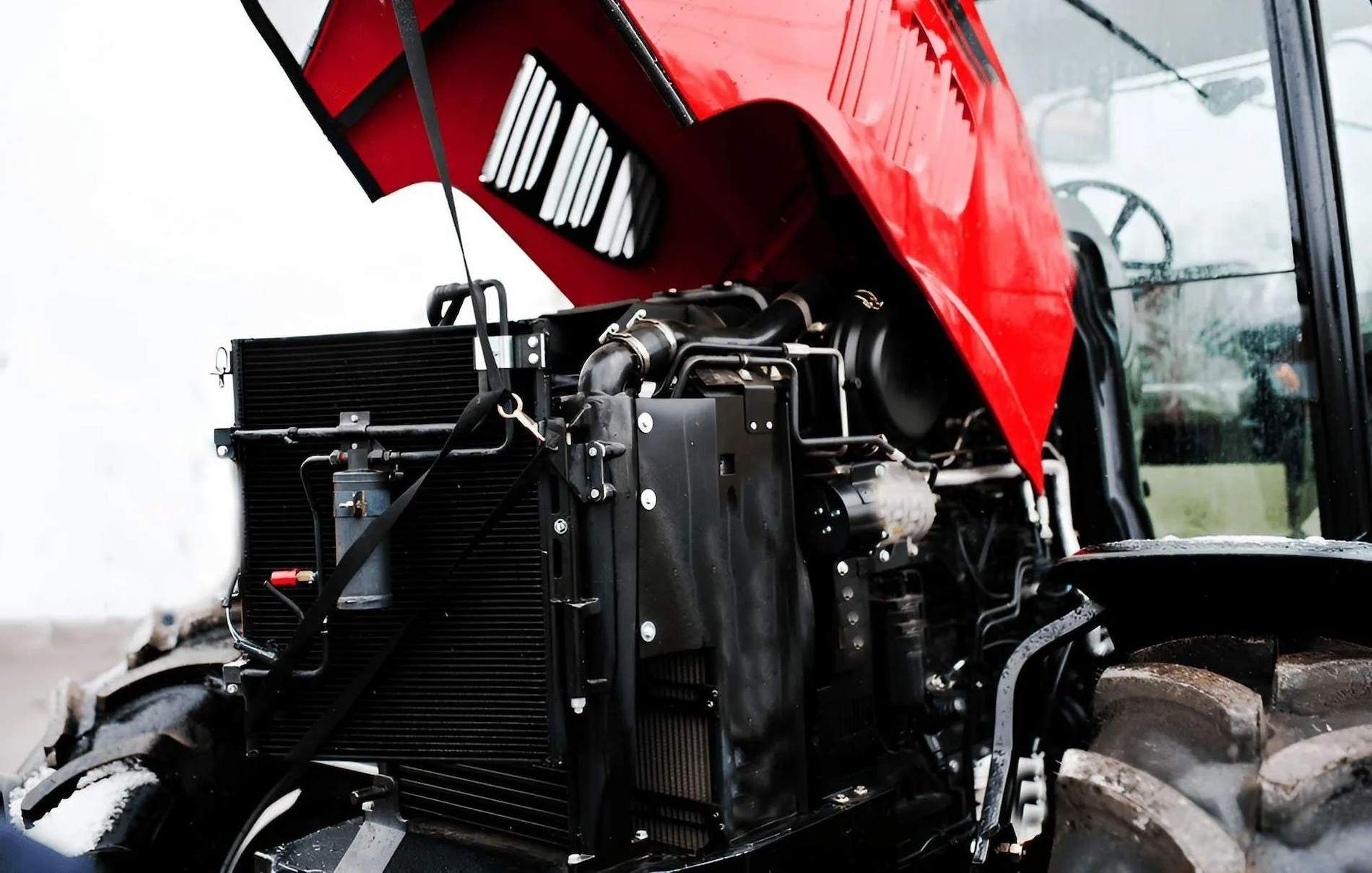
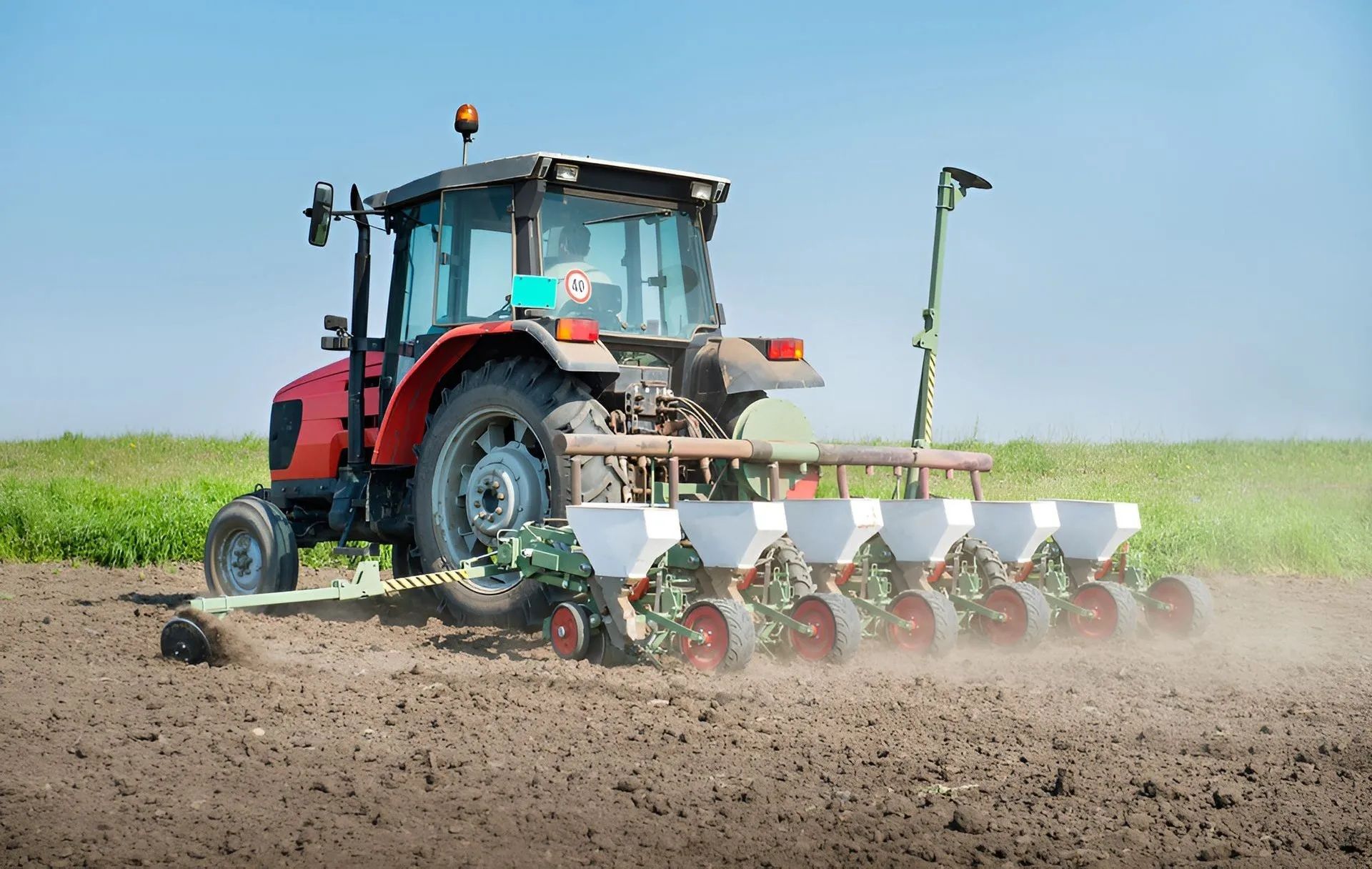
When it comes to maintaining performance and avoiding breakdowns, Grafton Tractor Repairs play an important role alongside proper equipment use. A tractor on its own is only part of the story. It’s the implements attached to it that turn a machine into a working solution for everything from soil preparation to property maintenance. Whether you’re clearing land, spreading fertiliser or handling hay, each attachment plays a specific role. But using the right implement - and using it correctly - can make the difference between smooth operation and unexpected breakdowns.
Tractor implements are built to handle tough conditions, but they also place demands on the machinery itself. Knowing how each one works and how it affects your tractor helps keep equipment running efficiently and reduces the likelihood of costly repairs, particularly when relying on tractor repairs in Grafton or a trusted local provider.
Why Choosing the Right Tractor Implement Matters More Than You Think
Selecting the right implement is not just about getting the job done; it’s about doing it efficiently and without placing unnecessary strain on your tractor. Using the wrong attachment can increase wear on components and reduce performance.
Key considerations include:
- Matching implement size to tractor power
- Ensuring compatibility with mounting systems
- Avoiding overload on engine & transmission
- Maintaining proper balance & weight distribution
Incorrect choices often lead to increased servicing needs, making regular tractor inspections and repairs an important part of long-term machinery care, especially when working with experienced Grafton tractor repair professionals.
Ploughs & Cultivators: Getting the Soil Ready the Right Way
Ploughs and cultivators are essential for preparing soil, but they also place consistent pressure on the tractor’s drivetrain. If not set up correctly, they can cause uneven wear and reduce efficiency.
Common challenges include:
- Incorrect depth settings causing strain
- Worn blades increasing resistance
- Poor alignment affecting soil turnover
- Increased fuel consumption due to drag
Regular servicing of both the implement and tractor helps maintain smooth operation and reduces stress on mechanical components.
Slashing & Mowing Attachments for Property Maintenance
Slashers and mowers are widely used for maintaining paddocks and large properties. While they seem straightforward, these implements rely on sharp blades and balanced operation.
Common issues include:
- Dull blades reducing cutting efficiency
- Imbalance causing vibration
- Debris damaging components
- Belt & drive wear over time
Routine maintenance and repairs help keep mowing equipment performing effectively and reduce the risk of breakdowns during regular use.
When Loaders & Buckets Start Putting Pressure on Your Tractor
Front-end loaders and bucket attachments are designed for lifting, digging and moving materials. However, they place significant stress on the tractor’s hydraulic system and front axle.
Key pressure points include:
- Hydraulic system strain under heavy loads
- Increased wear on suspension & steering components
- Risk of imbalance during lifting
- Structural stress from repeated use
Hydraulic servicing and inspections are essential to keep these systems operating safely and efficiently.
Post Hole Diggers & Augers: Small Jobs That Need Proper Setup
Augers and post hole diggers may look simple but they rely on precise alignment and consistent power transfer. Improper setup can lead to mechanical faults or reduced performance.
Common concerns include:
- Misalignment causing uneven drilling
- Excess strain on the PTO system
- Wear on drive components
- Difficulty operating in hard soil
Regular checks and servicing help ensure smooth operation and protect key drivetrain components.
Spreaders & Sprayers: Precision Equipment That Needs Regular Checks
Spreaders and sprayers require accuracy to distribute materials evenly. Poor calibration or worn components can lead to uneven application and wasted resources.
Maintenance needs include:
- Calibration checks for even distribution
- Cleaning to prevent blockages
- Inspecting moving parts for wear
- Monitoring for corrosion or damage
Keeping these implements in good condition supports consistent performance and reduces unnecessary strain on machinery.
Hay & Bale Equipment: Keeping Seasonal Work Running Smoothly
Hay and baling equipment is often used intensively during specific seasons. This concentrated workload can lead to wear and unexpected failures if machinery is not prepared.
Common issues include:
- Belt & chain wear
- Mechanical fatigue from heavy use
- Timing issues affecting bale formation
- Increased maintenance requirements during peak periods
Pre-season servicing and inspections help reduce downtime and keep operations running efficiently when demand is highest.
Matching Implements to Tractor Capacity & Condition
Every tractor has limits and exceeding them can lead to breakdowns. Matching implements to the tractor’s size, power and condition is essential for safe and effective operation.
Important factors include:
- Engine capacity & horsepower
- Hydraulic system capability
- Weight & balance of attachments
- Overall condition of the tractor
Professional assessments help determine the right combinations and identify any maintenance needs before issues arise.
We at Leslie Farm & Garden Machinery support farmers and property owners across New South Wales with servicing, repairs and advice for tractors and implements. If your machinery needs attention or you’re unsure whether your equipment is set up correctly, contact our Grafton Tractor Repairs team today to organise a service or discuss your setup.