How To Choose The Right Tractor For Your Farm
Choosing the right tractor is one of the biggest decisions a farmer can make. The machine you select will influence your daily workflow, long-term productivity and ability to manage land efficiently. With so many models, horsepower ranges, and attachments on the market, it can feel overwhelming to sort through the options. The key is to match the machine to the actual conditions of your farm — not just the tasks you complete today, but the work you’ll take on in years to come. Understanding property size, terrain, workload, and after-sales support builds a strong foundation for choosing a machine that delivers value for the long haul.
Start With Your Property Size to Narrow Down Your Options
The size of your farm immediately narrows the type of tractor you should look at. Smaller acreages might only require a compact machine, while larger properties often necessitate a heavier, more powerful unit capable of pulling wider implements and managing larger workloads. Farm machinery dealerships help farmers identify the category that best suits their needs, ensuring machines are neither underpowered nor oversized. When browsing tractors for sale in Grafton, it’s important to consider ongoing running costs, fuel usage and workload expectations to avoid future limitations. A tractor sized correctly saves time, conserves fuel and handles tasks without strain.
- Compact tractors suit smaller acreages and light-duty tasks.
- Utility tractors are ideal for medium-sized farms with mixed workloads.
- High-horsepower units support broadacre farming and the use of heavy implements.
Match Your Tractor to the Terrain You Work On
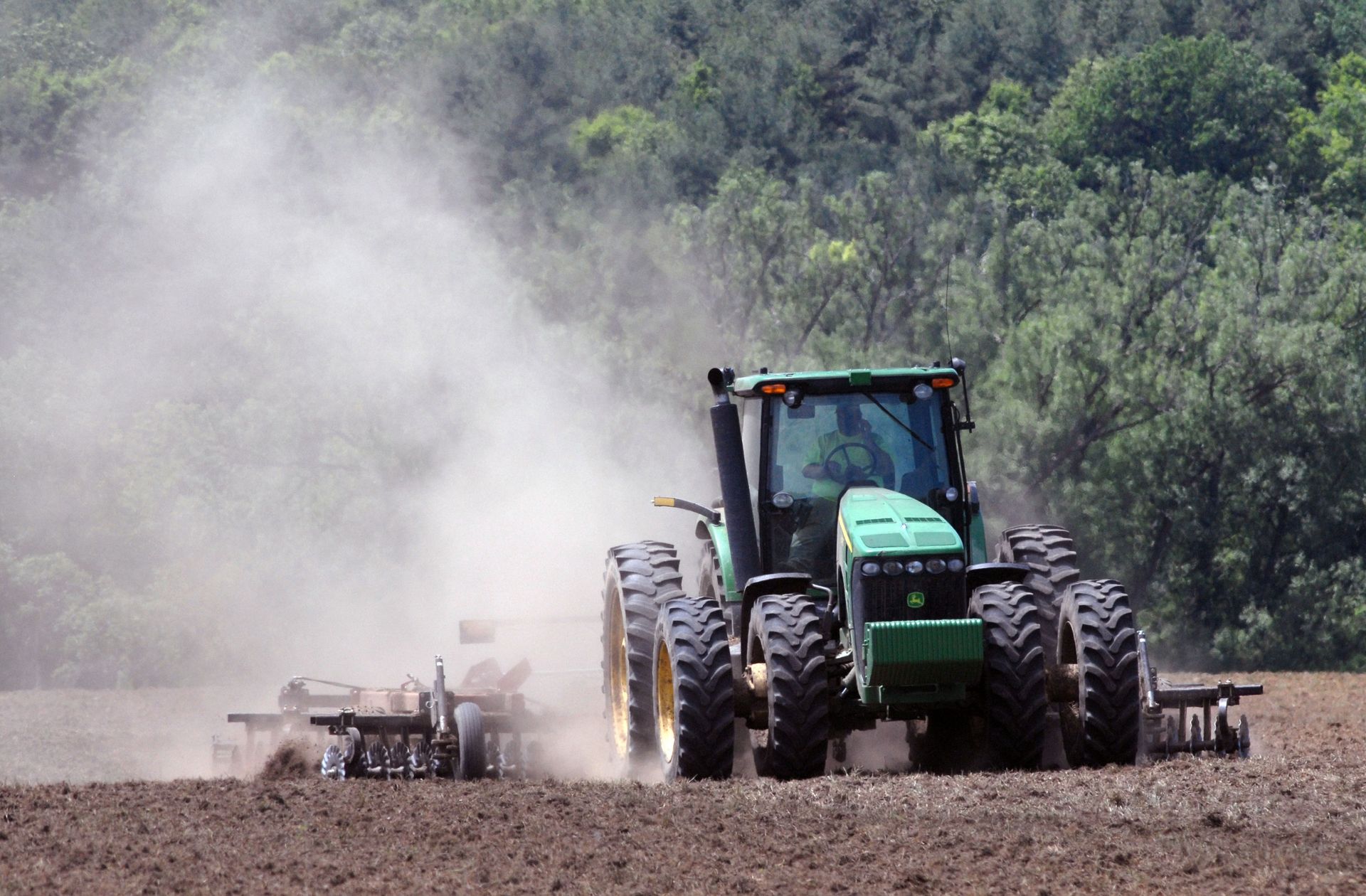
Terrain plays a major role in determining which tractor is safe, stable and efficient on your land. Flat paddocks allow a broader choice of tractors, while sloped, uneven or soft ground requires specific features such as better traction, weight distribution and stronger tyres. Soil type also matters: tractors that work well on sandy soil may perform differently on heavy clay. Dealerships factor in terrain conditions when recommending a machine to ensure the tractor remains stable and predictable during daily tasks. This also reduces the likelihood of unnecessary wear and tear caused by operating the wrong type of equipment for the land.
- Hilly or uneven terrain requires tractors with strong traction and stability.
- Heavy soils may benefit from larger tyres or added ballast.
- Flat ground provides more flexibility in machine choice.
Consider Your Day-to-Day Workload Before Choosing Horsepower
Horsepower determines what your tractor can pull, lift or complete in a single pass. Underpowered machines struggle with heavy implements, while oversized machines burn unnecessary fuel and increase operational costs. The right horsepower range should match the daily demands of your property, from mowing and feeding stock to tilling, ploughing and towing. Farmers seeking tractor repairs in Grafton often discover that the root cause of strain or breakdowns is simply a mismatch between the machine's size and workload. A machine with appropriate power handles jobs smoothly, reduces wear and supports long-term reliability.
- Mowing and maintenance tasks need lower horsepower.
- Tilling, ploughing, and heavy lifting require moderate to high horsepower.
- Broadacre farming demands high-horsepower machines built for endurance.
Choose Attachments That Match the Tasks You Need to Complete
A tractor is only as versatile as the attachments it can run. Loaders, mowers, rotary hoes, sprayers, tillers, slashers and post-hole diggers all transform a basic tractor into a practical, multi-purpose machine. Before choosing a tractor, it’s important to confirm compatibility with the attachments you plan to use — both now and in future. This includes hydraulic flow requirements, weight limits and linkage types. Farm machinery experts help ensure a machine is correctly set up for the equipment you rely on. Choosing well-matched attachments boosts efficiency and reduces unnecessary strain on the tractor.
- Loaders assist with lifting, shifting and hay handling.
- Mowers and slashers handle paddock maintenance.
- Rotary hoes, tillers and sprayers support crop and soil management.
Don’t Overlook Tractor Comfort, Controls and Ease of Use
Comfort and ease of use may seem secondary, but they make daily operations far more manageable. Modern tractors include ergonomic seating, intuitive controls, improved visibility and optional cab features such as air conditioning and reduced cabin noise. These features matter during long days in the paddock or extended workloads during harvest season. A tractor that is comfortable to operate reduces fatigue, increases productivity and supports good posture and control. Many dealerships allow on-site demonstrations to help farmers compare controls and visibility before committing to a purchase.
- Look for ergonomic seats with suspension.
- Check visibility from the cab or operator station.
- Assess noise levels and ease of control layout.
Reliability, Brand Reputation & After-Sales Support Matter More Than You Think
A reliable tractor is an investment that should serve your farm for many years. Brand reputation, parts availability and dealership support play a major role in the overall experience. A strong dealership provides guidance, access to parts and ongoing servicing that keeps your machine running smoothly. If breakdowns occur during busy seasons, support matters. This is where proximity to tractor repairs in grafton becomes valuable, as timely repairs reduce downtime and maintain productivity. A trusted dealership also offers insights into the brands known for durability and long-term value.
- Select brands with a proven track record of reliability and consistent part availability.
- Look for dealerships offering ongoing servicing support.
- Access to repairs reduces costly downtime.
Maintenance Requirements Should Influence Your Choice
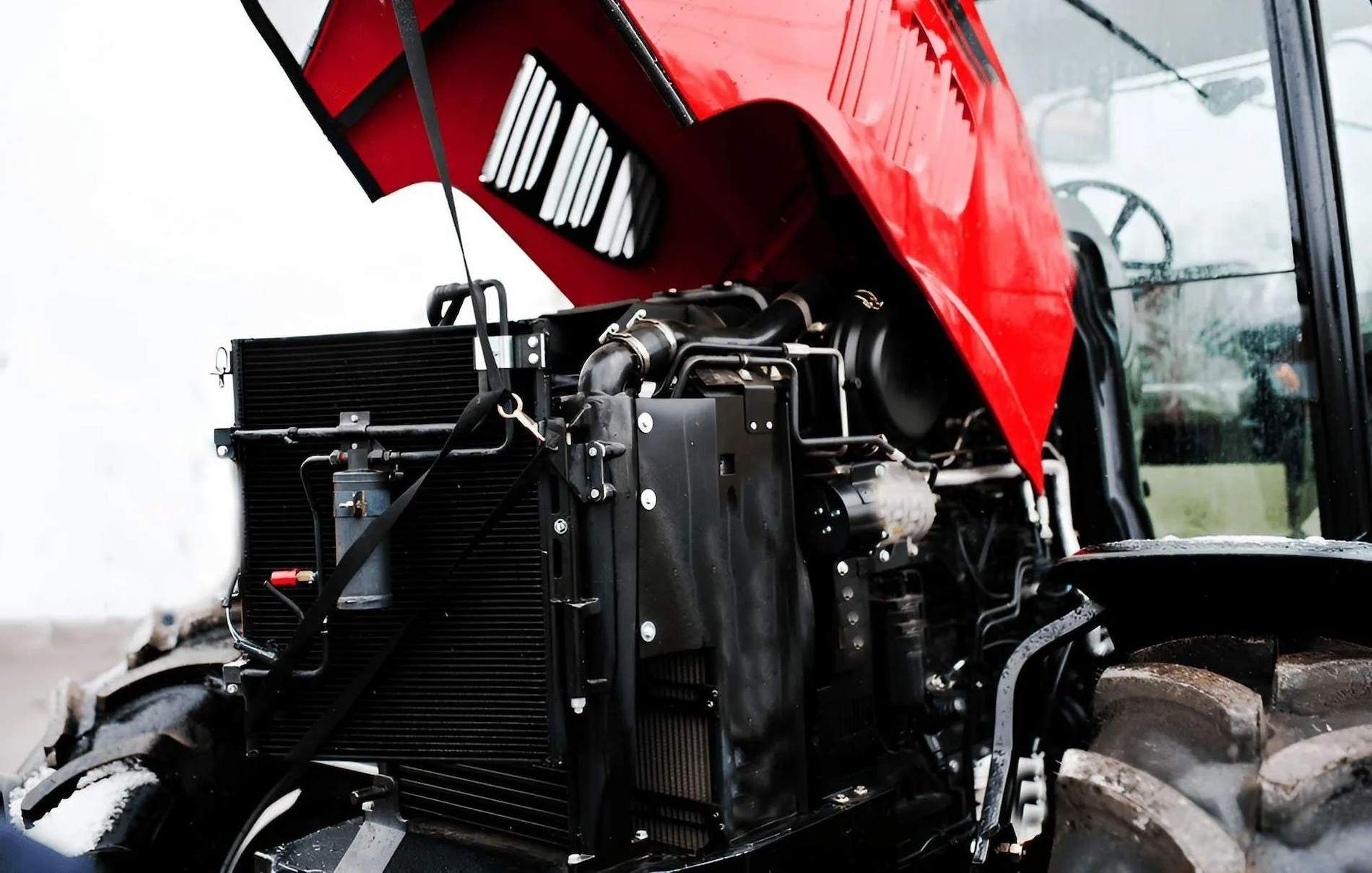
Every tractor requires regular servicing to stay reliable. Some models are simpler to maintain, while others need more frequent inspections due to advanced hydraulics, emissions systems or complex electronics. Farmers should choose a tractor that aligns with their ability to maintain it — either through their own mechanical knowledge or through dealership servicing. Access to tractors for sale in Grafton, supported by robust workshop facilities, ensures that parts and repairs are readily available. A machine that is easy to service helps keep costs predictable throughout the tractor’s life.
- Consider access to filters, belts and service points.
- Review the tractor’s recommended maintenance schedule.
- Check local availability of parts and trained technicians.
Think Long-Term: Choose a Tractor That Can Grow With Your Farm
Farming operations evolve over time, which means the tractor you need today may not be the one you need in five years. Choosing a machine with a comfortable margin of power, compatible attachments and room for upgraded implements can prevent costly replacements in the future. Dealerships can help forecast long-term needs, offering guidance on machines that support growing acreage or diversified workloads. A tractor that grows with your farm increases overall value and avoids unnecessary upgrades.
- Consider future expansion or added livestock.
- Plan for additional attachments or heavier implements.
- Choose power and features with long-term use in mind.
We at Leslie Farm & Garden Machinery support local farmers across Grafton with reliable machinery, expert servicing, and advice. Whether you're comparing features or browsing tractors for sale in Grafton, our team helps match equipment to your property, workload and long-term plans. Visit https://www.lesliemachinery.com.au/ and call us today to discuss the right tractor for your farm and access dependable support across the Grafton region.